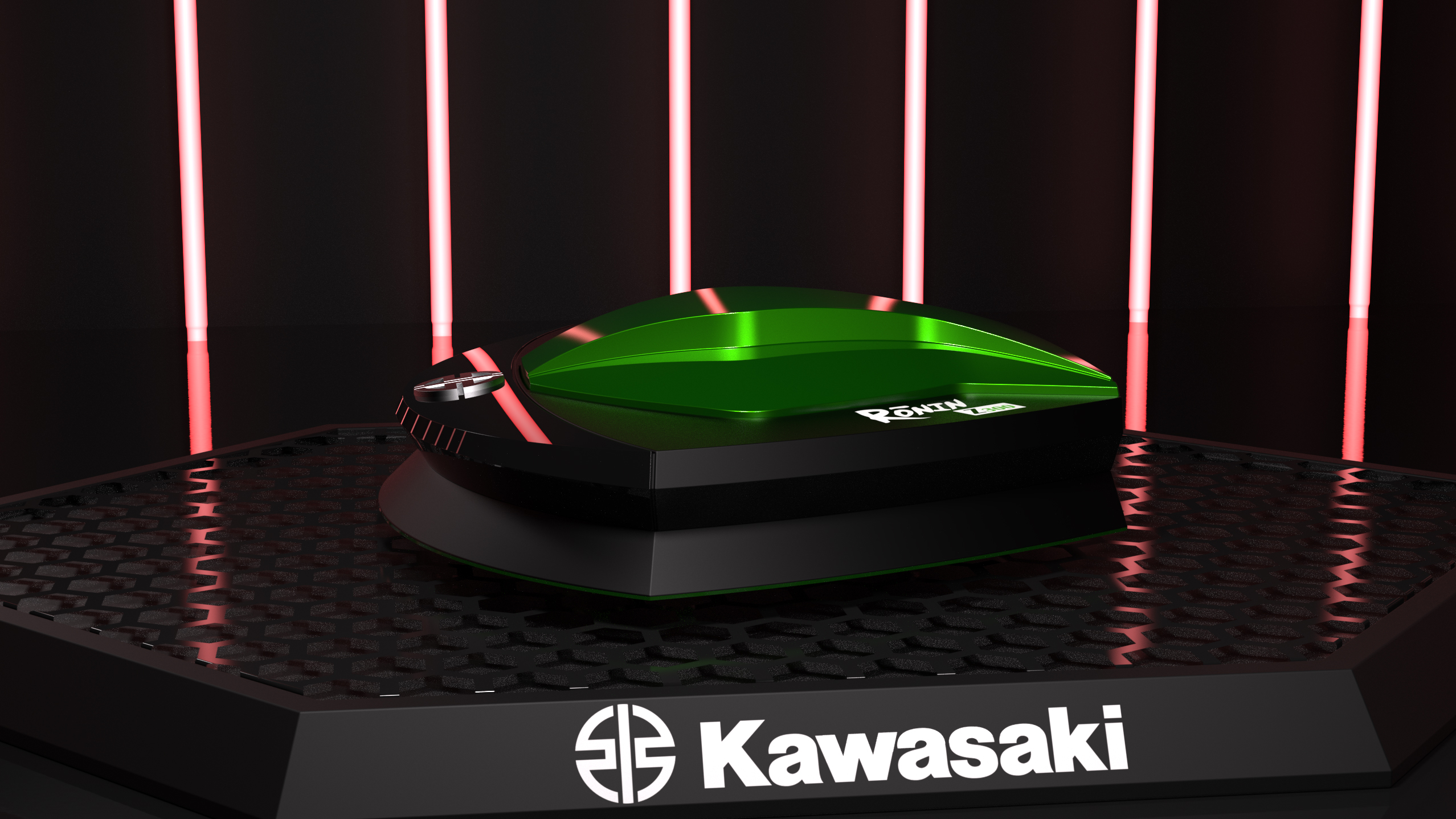
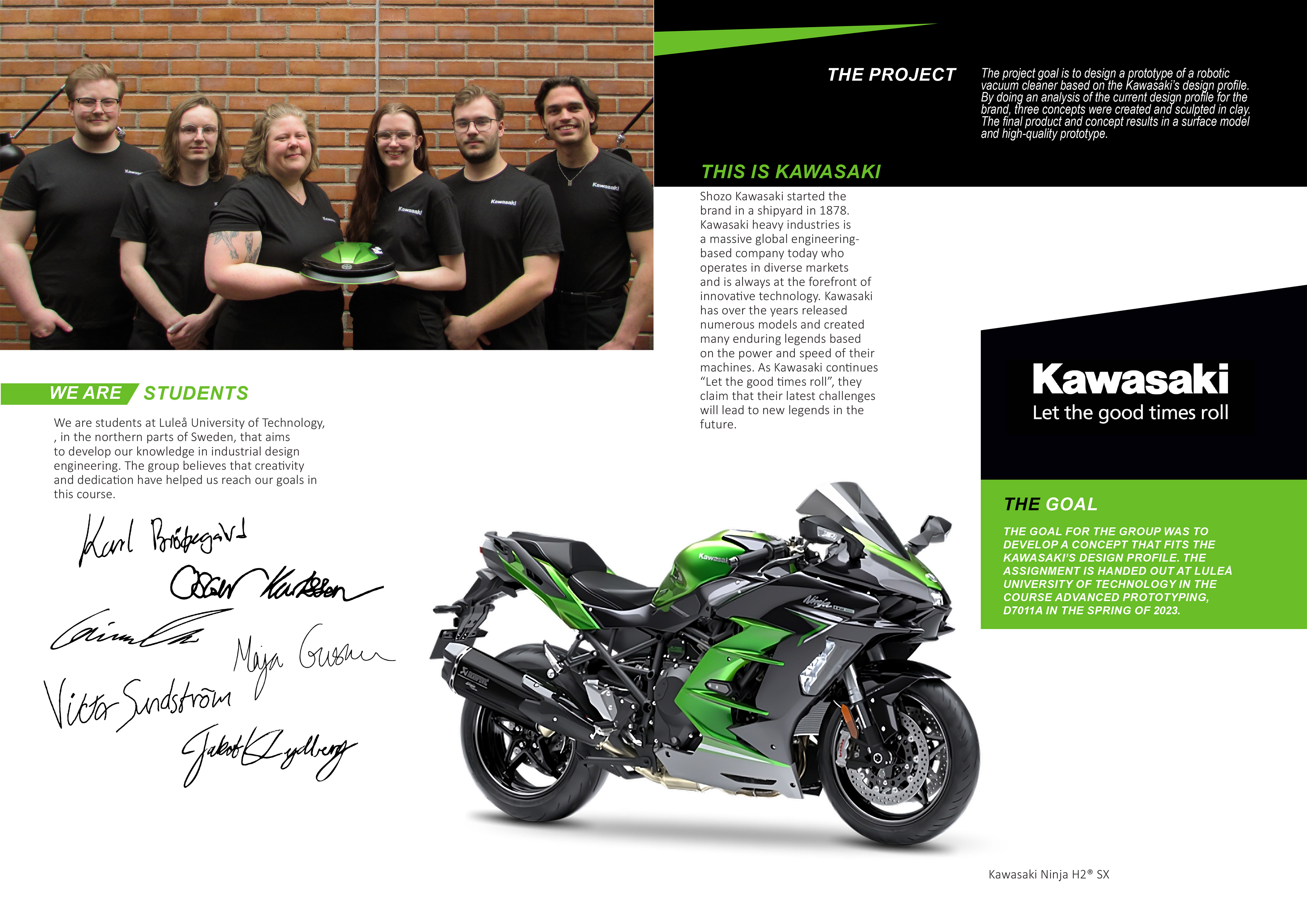
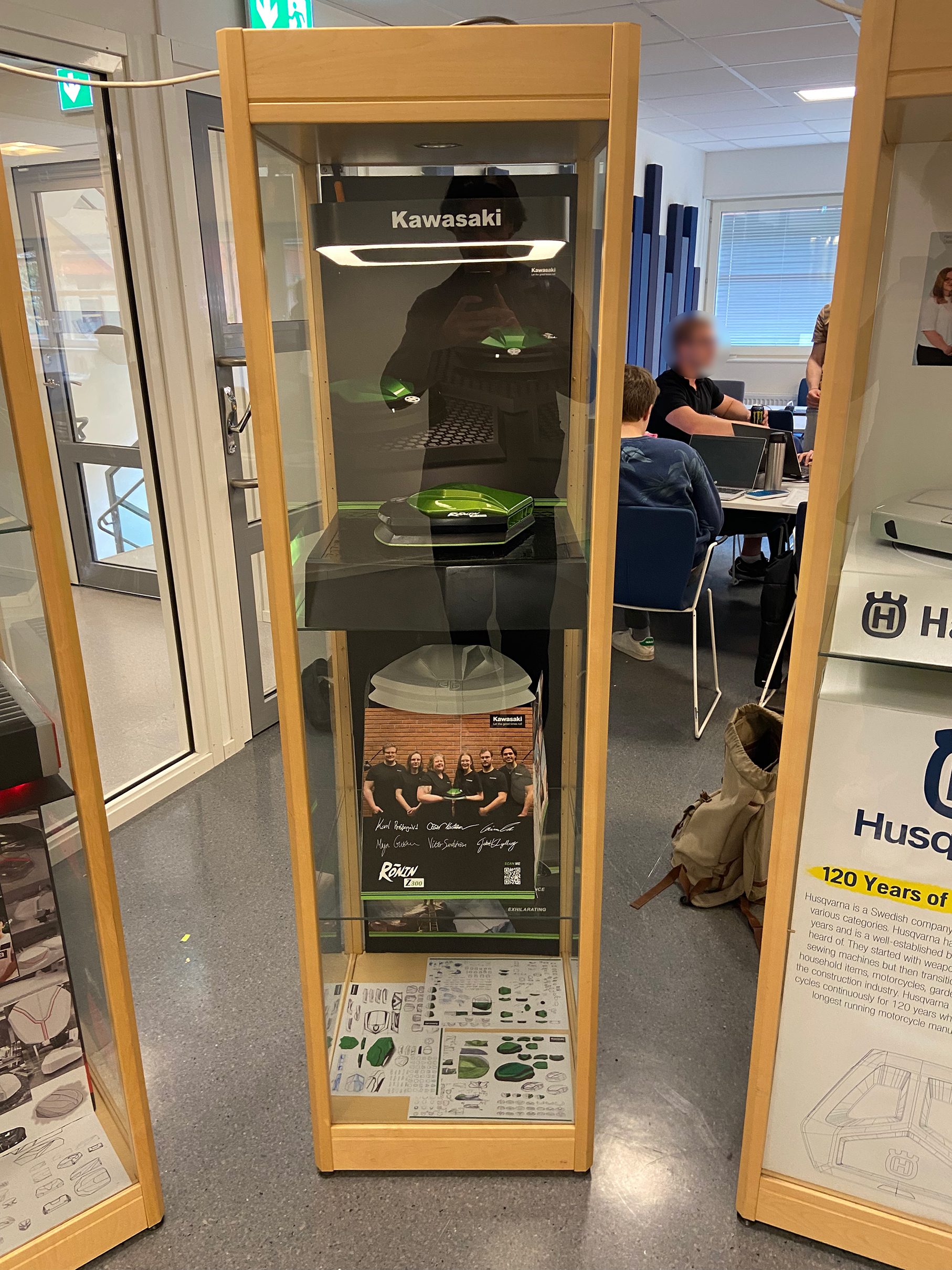
Within this project, three teams were assigned with the task of developing unique concepts, each focusing on a specific aspect. These teams conducted a comprehensive analysis of the Kawasaki brand, employing techniques such as benchmarking and form analysis. Through the utilization of methods like sketches and clay modeling, the teams refined their concepts. Following a thorough evaluation, the most suitable concept was chosen based on its alignment with the brand's identity. This selected concept then underwent a series of processes, including 3D scanning, CAD and CAID software implementation, CNC milling, and vacuum forming. As a result, a highly realistic prototype was created. Our team successfully designed a robot vacuum cleaner that authentically captures the essence of Kawasaki's design profile. Through meticulous craftsmanship and the application of precision manufacturing techniques, we achieved a flawless finish. The final product stands as an elegant and powerful robotic vacuum cleaner that not only meets expectations but also embodies Kawasaki's distinctive design philosophy.

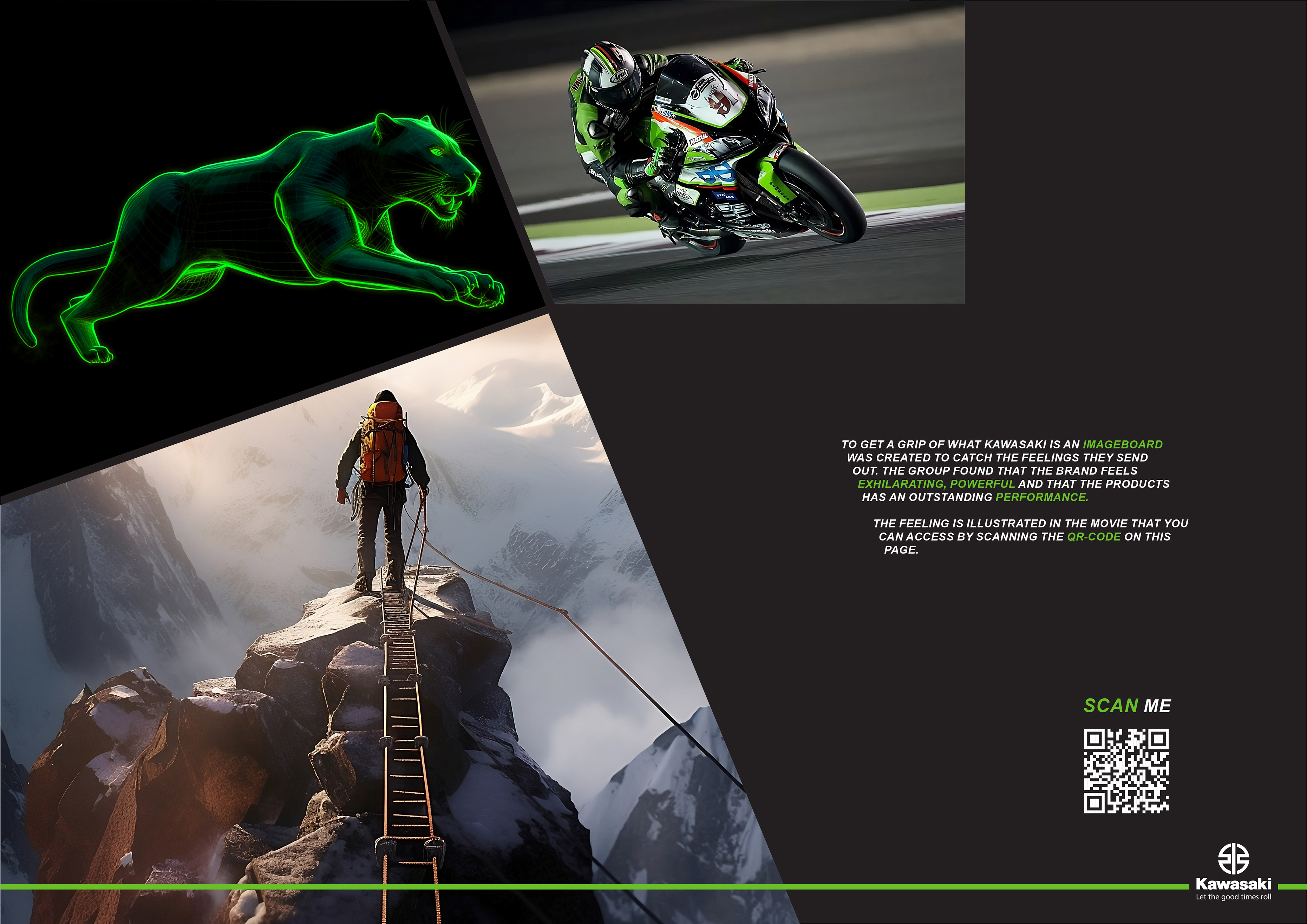
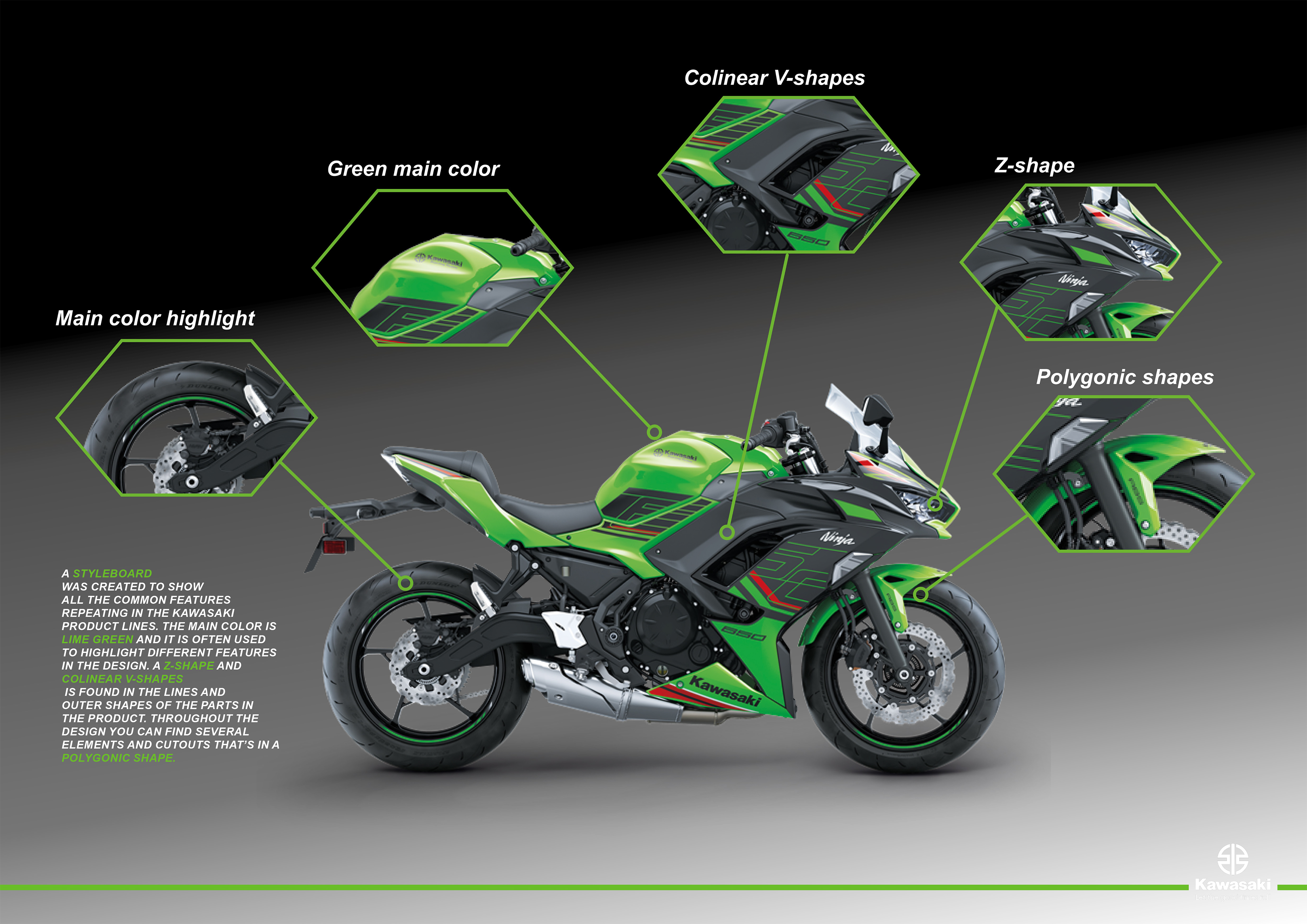
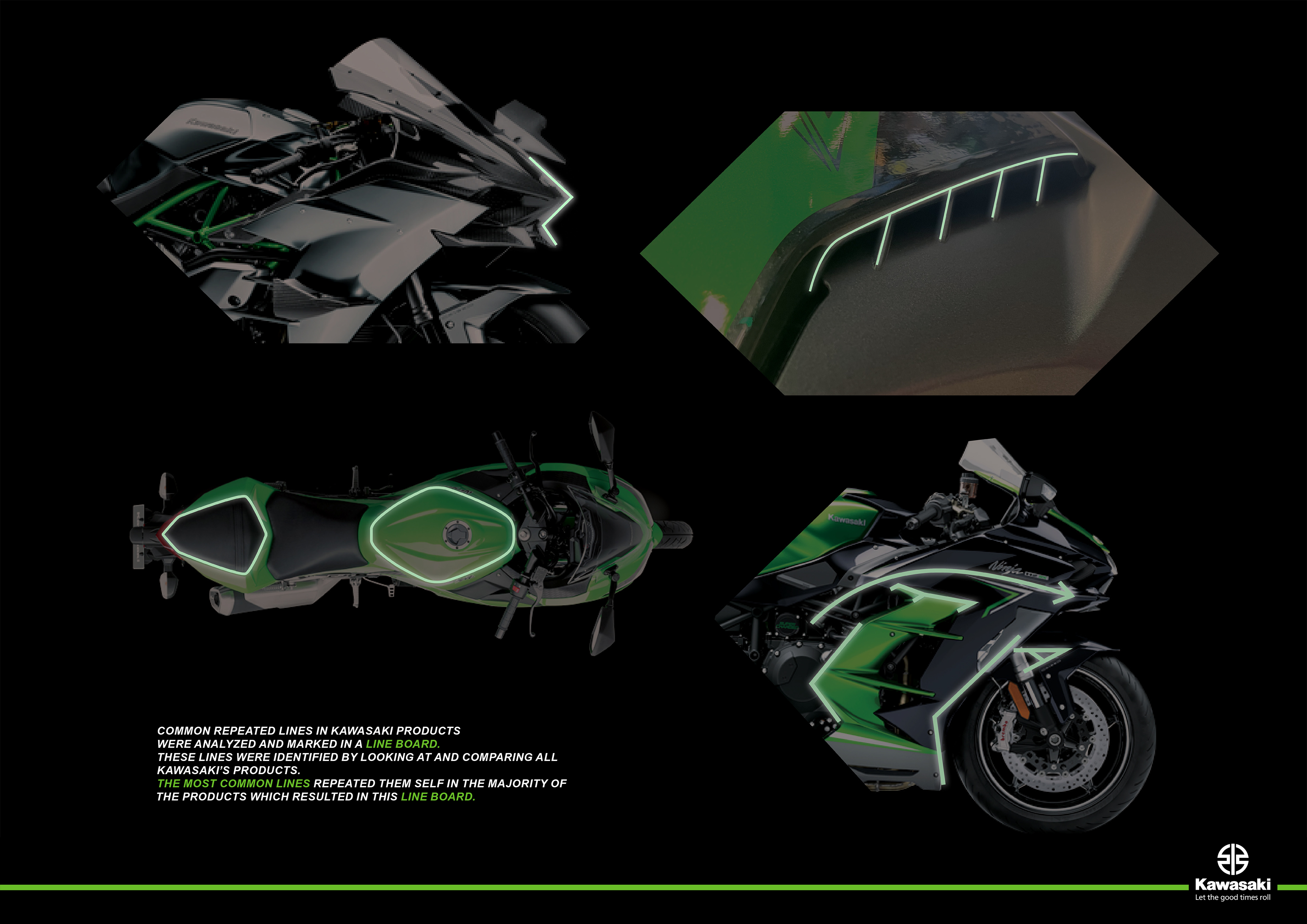
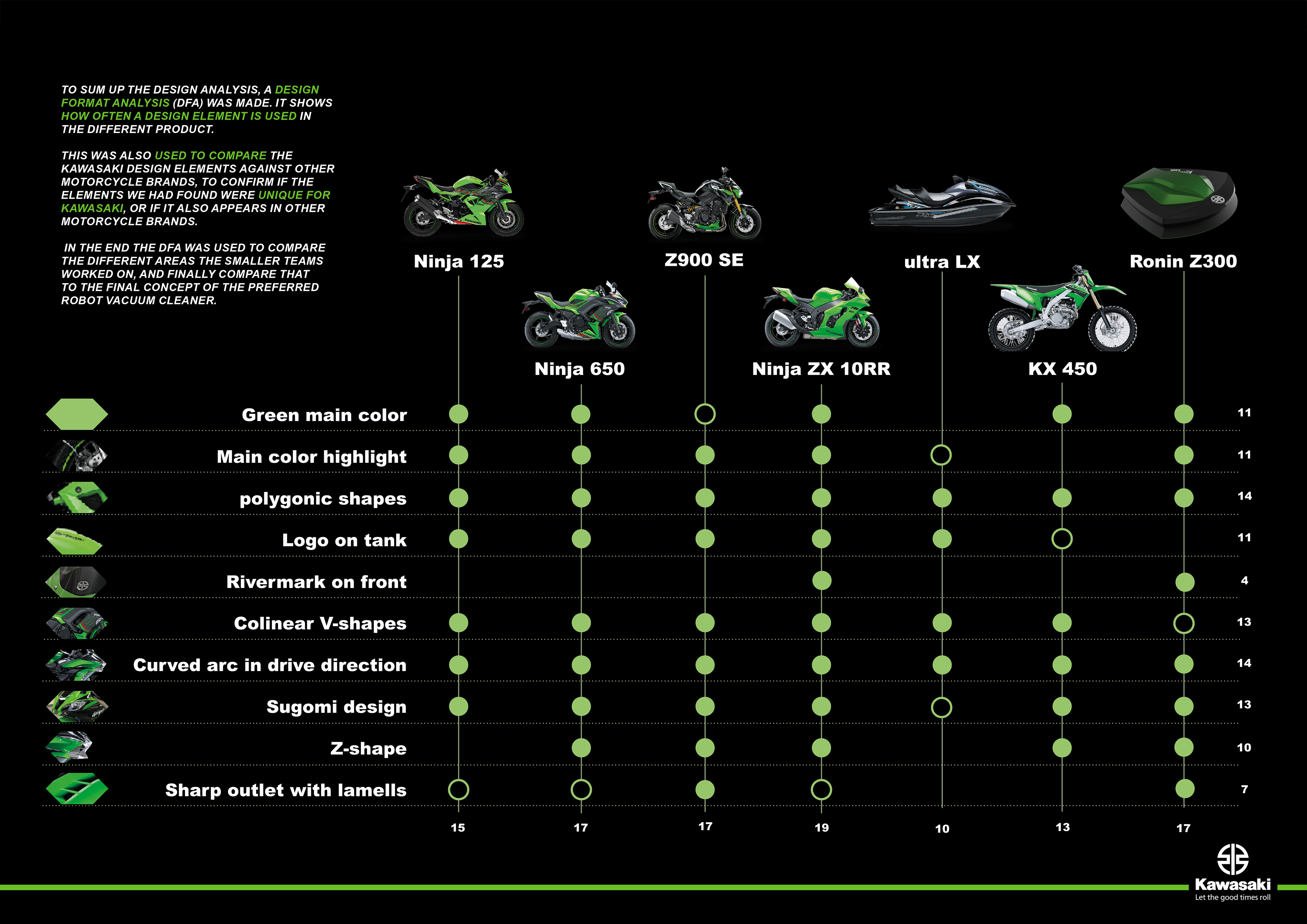


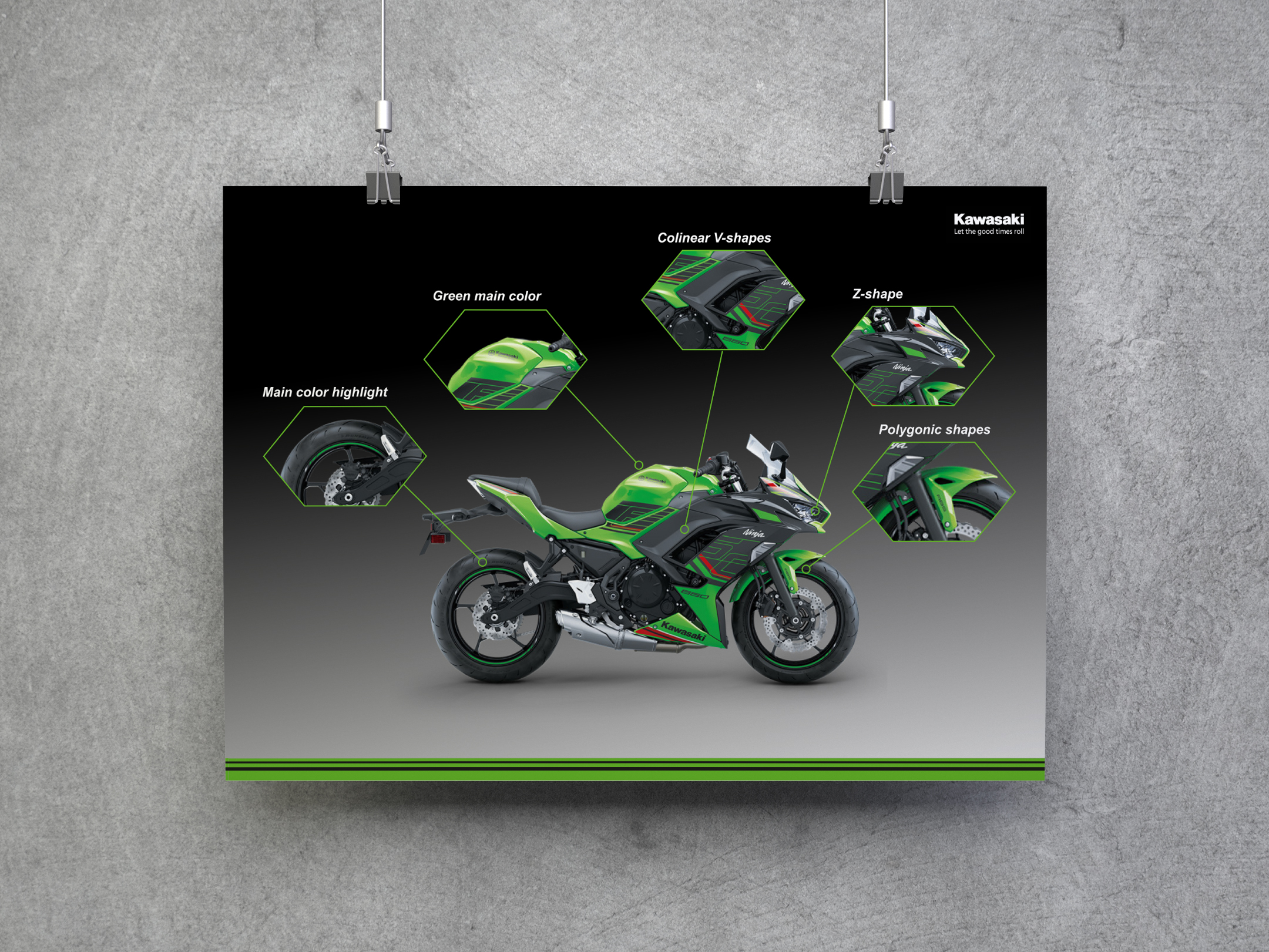
The project began by benchmarking various robot vacuums to understand their functionalities. The form analysis phase involved the creation of an imageboard, styleboard, lineboard, and DFA. The imageboard captured the exhilarating and powerful brand feelings of Kawasaki. The styleboard highlighted design features such as lime green color, Z-shapes, colinear V-shapes, and polygonic elements. The line board identified repeated lines in Kawasaki products. Furthermore, a design format analysis compared Kawasaki's design elements with other brands, providing guidance for the team's concept development of the robot vacuum cleaner.
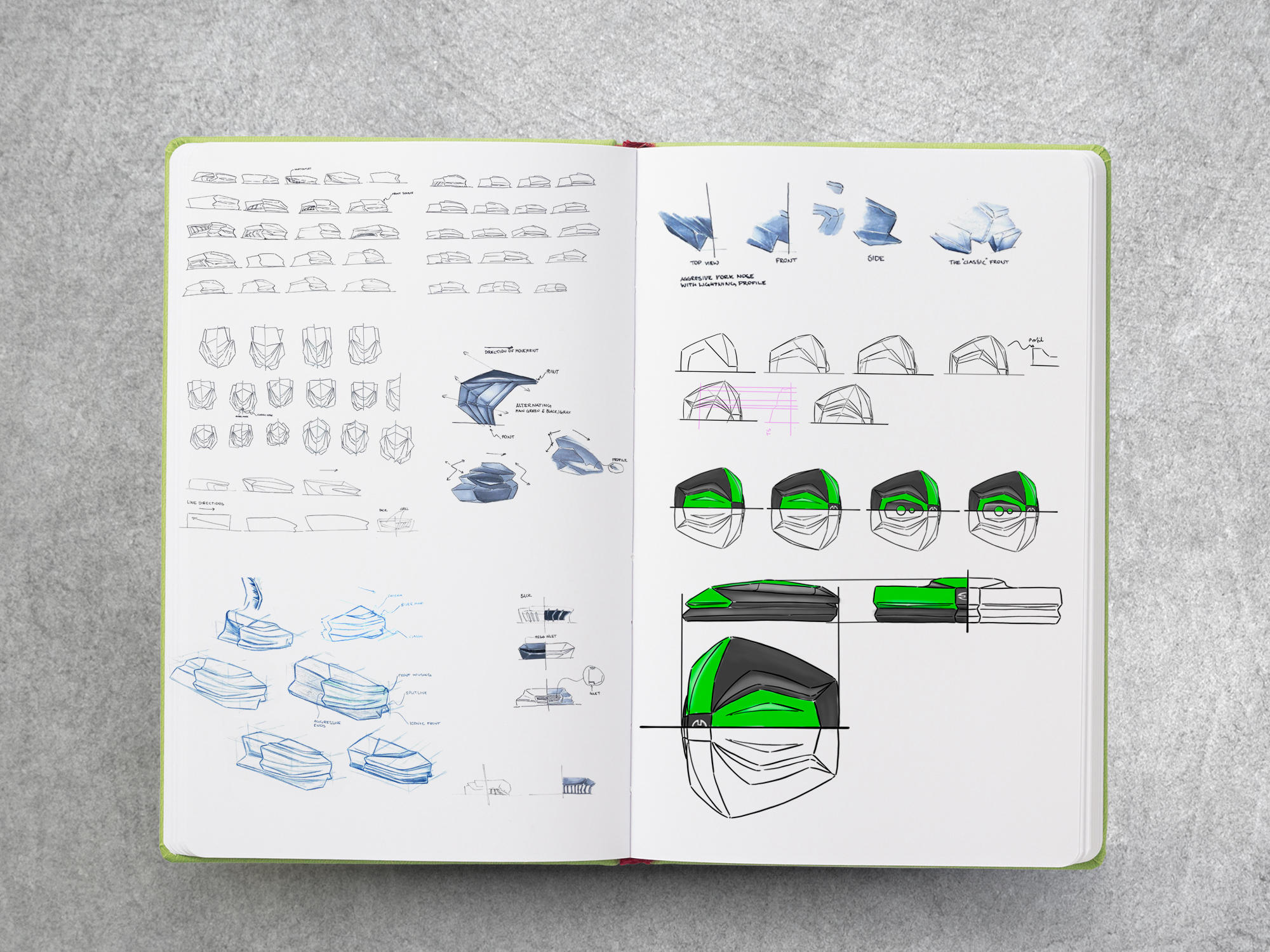
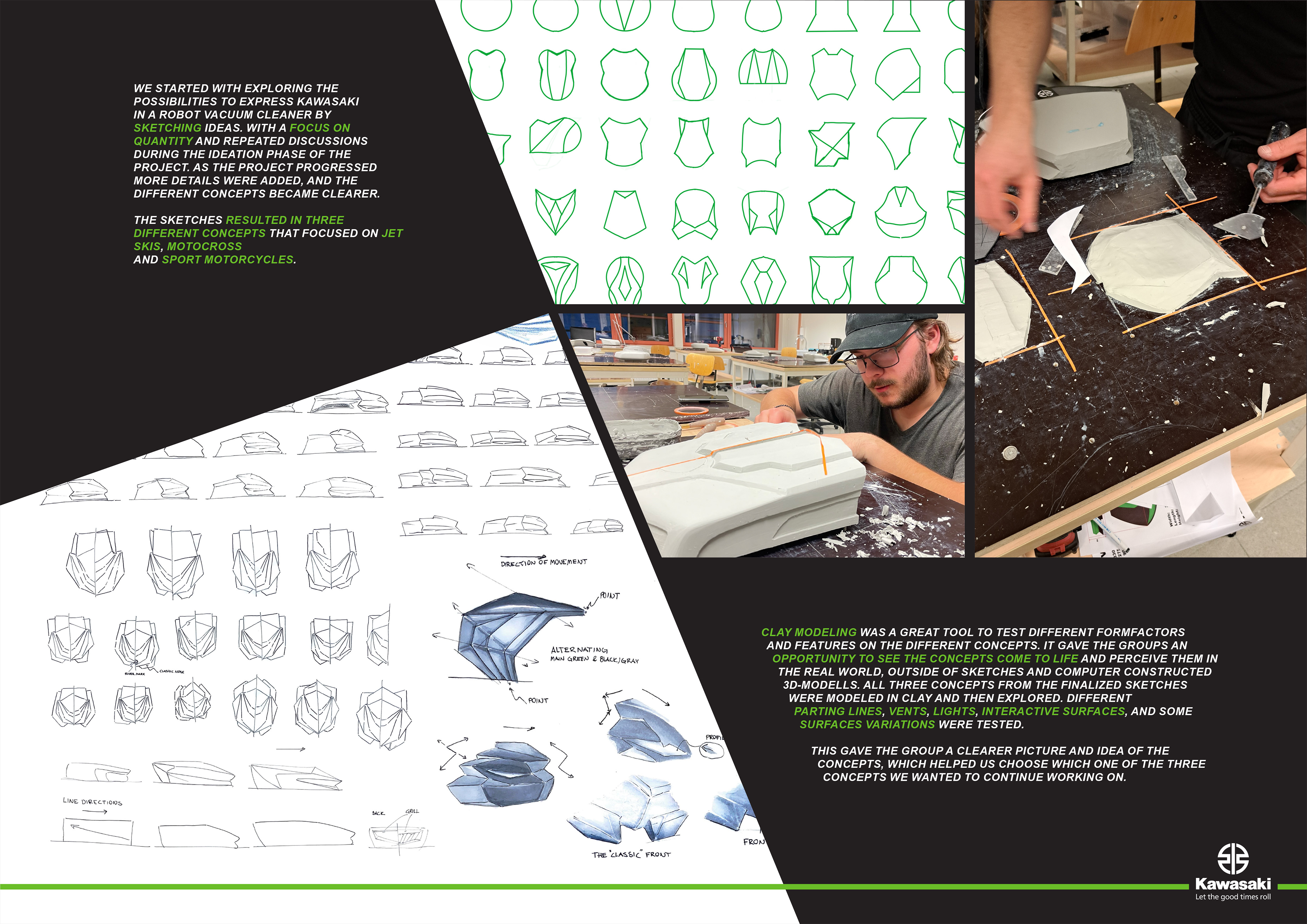
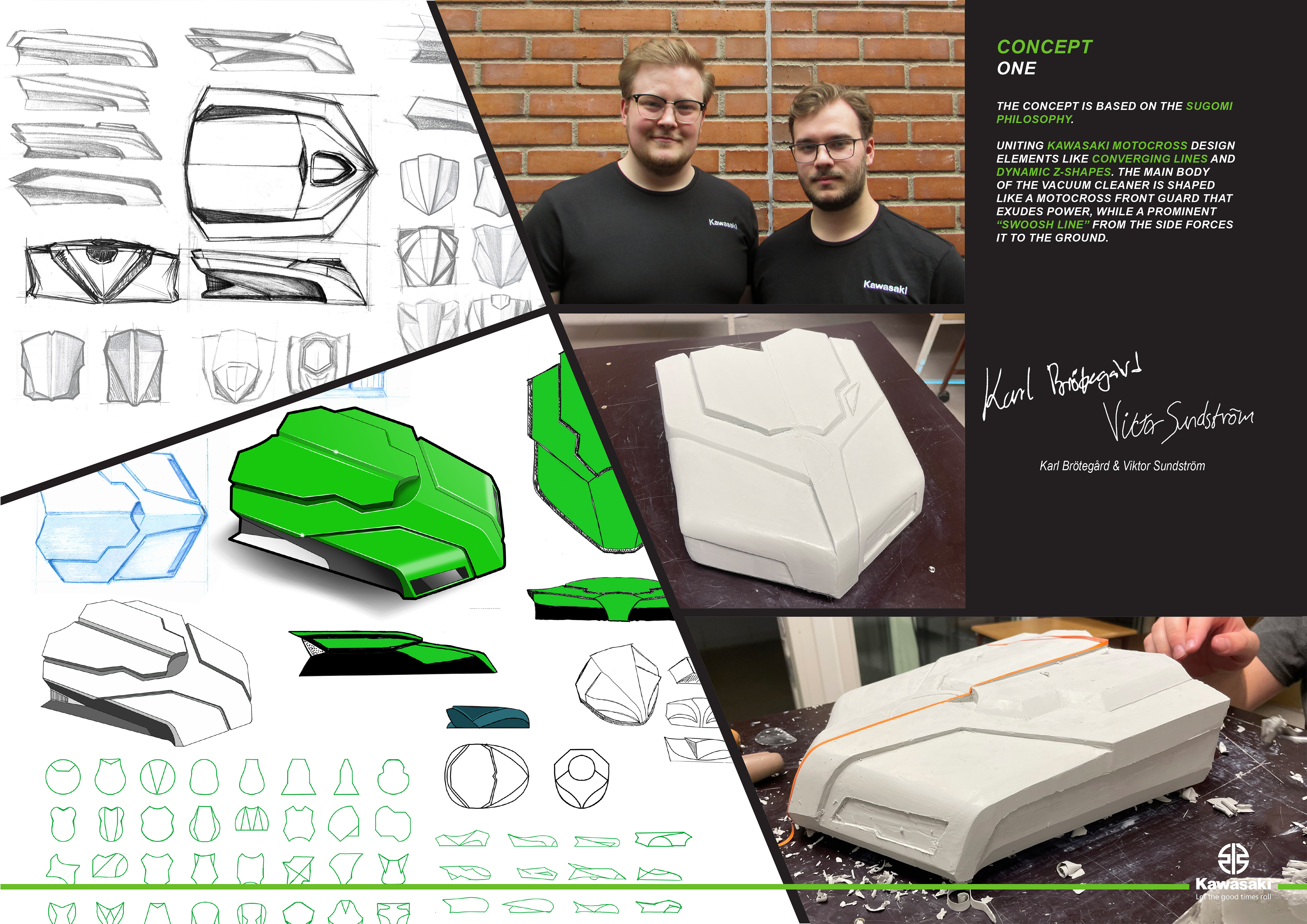
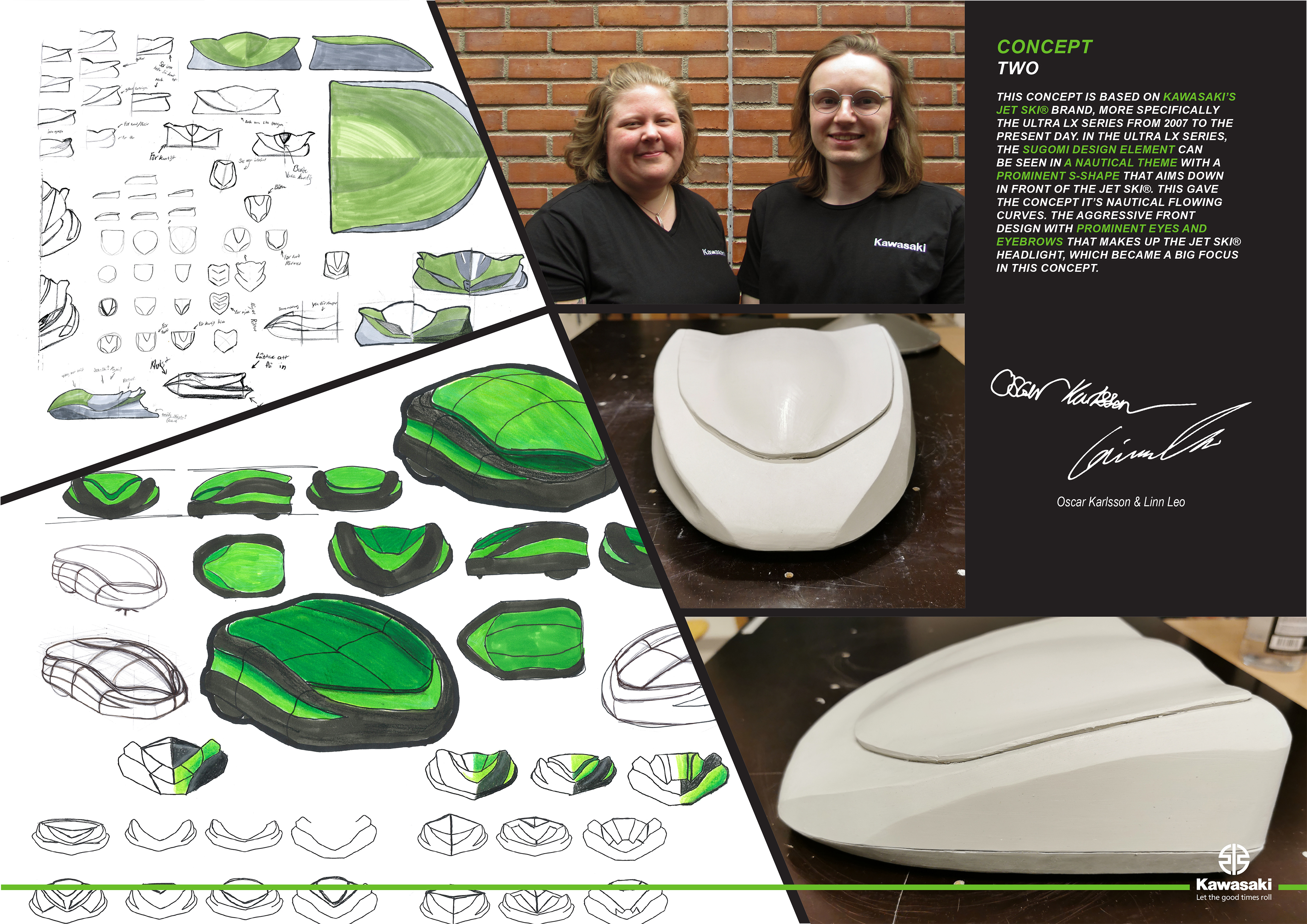
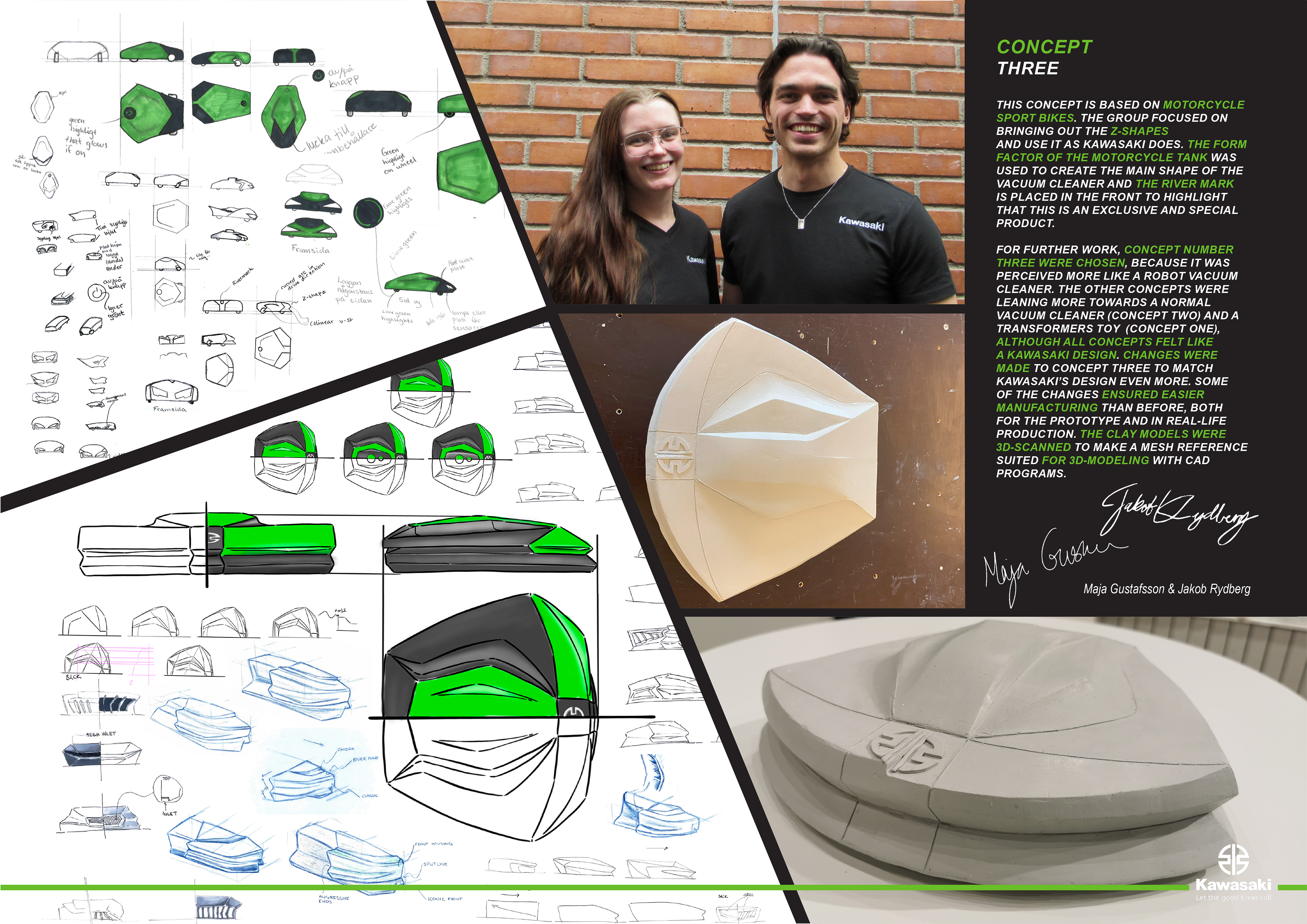
During the initial phase of the project, we embarked on exploring how to incorporate Kawasaki's essence into a robot vacuum cleaner through sketching. Our approach emphasized generating a large quantity of sketches and engaging in repeated discussions to fuel the ideation process. As the project advanced, we refined the sketches by incorporating more intricate details, resulting in three distinct concepts inspired by jet skis, motocross, and sport motorcycles.
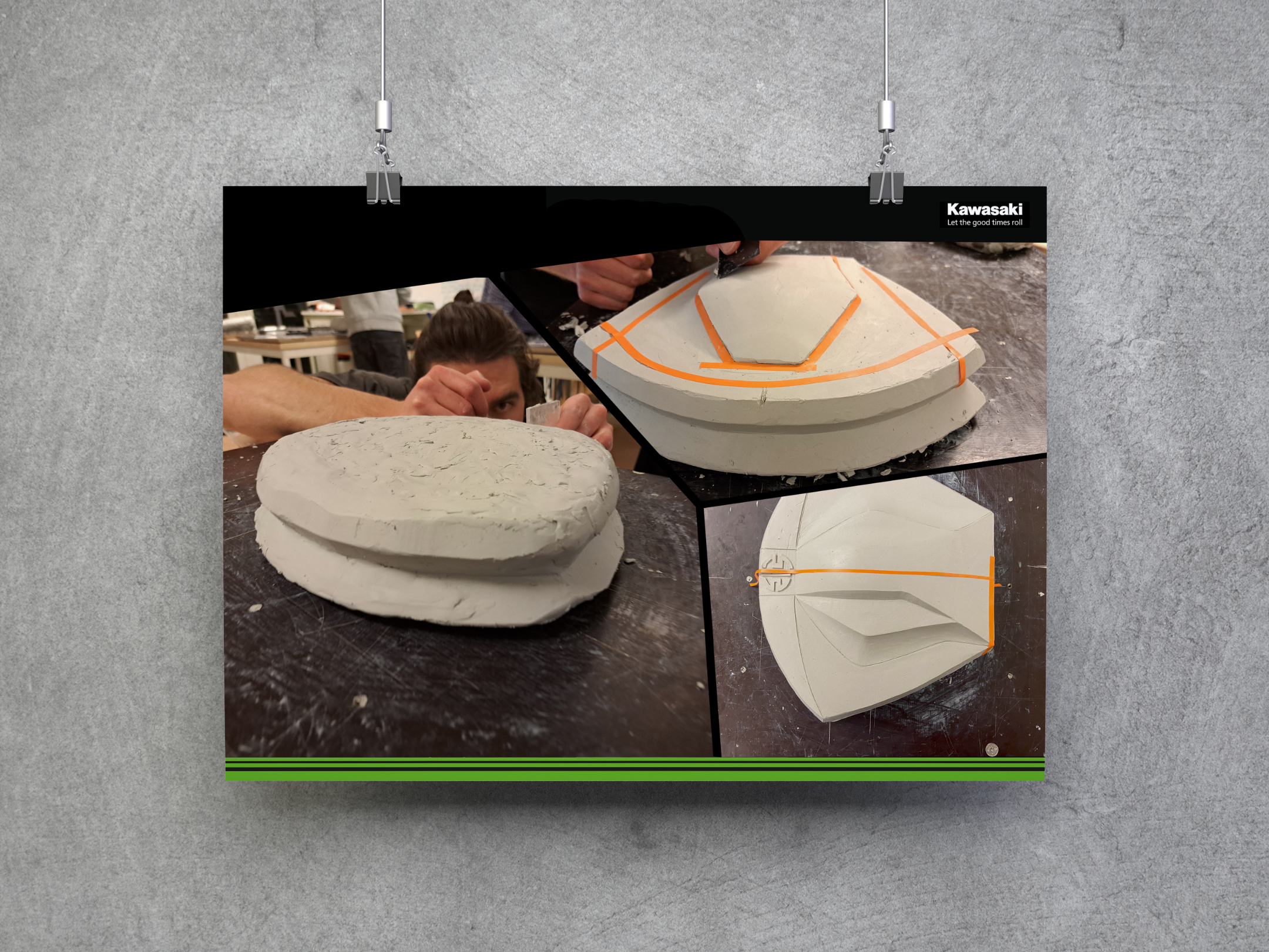
Clay modeling allowed us to assess different features and forms, bringing our concepts to life. It provided a tangible representation beyond sketches and 3D models. We explored various elements and variations across all three concepts, gaining clarity and guiding our decision-making.
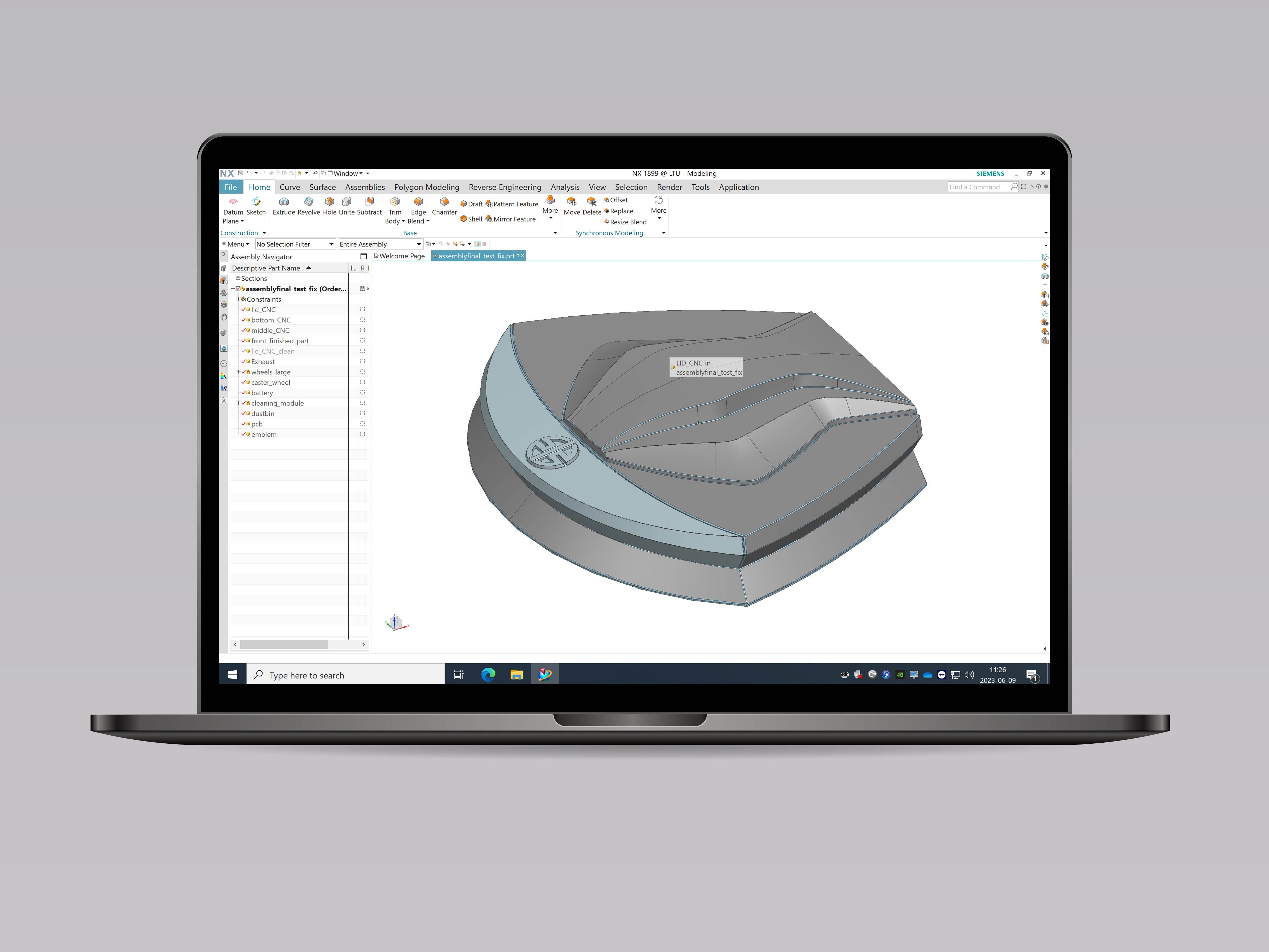
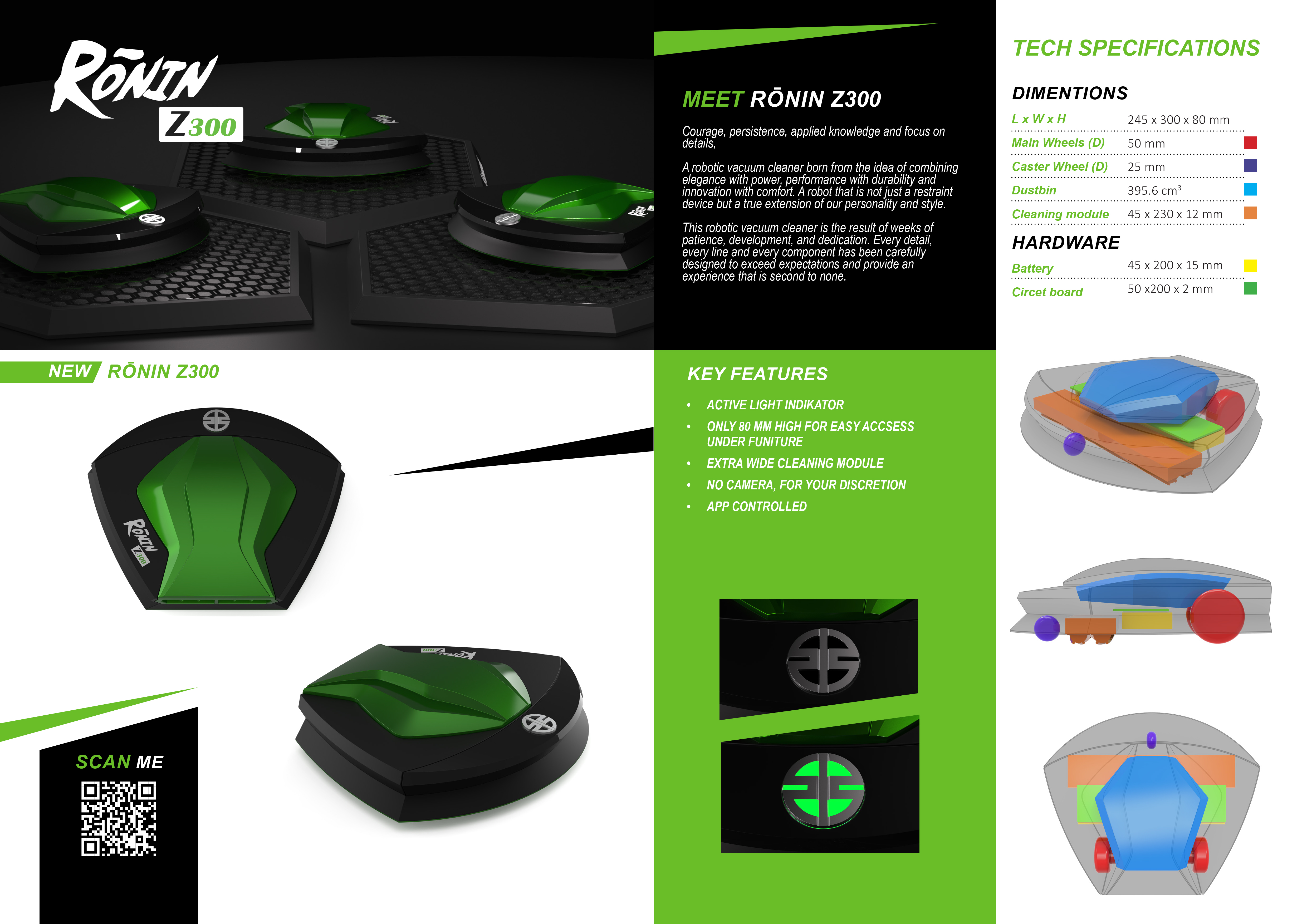
I used Alias to generate A-class surfaces, which were exported as STEP files for further utilization in Siemens NX. Adopting a top-down methodology, I designed manufacturing tools and components, including the dust bin, battery, cleaning module, caster wheels, and wheel modules. This approach ensured a consistent focus on fit throughout the entire design process.
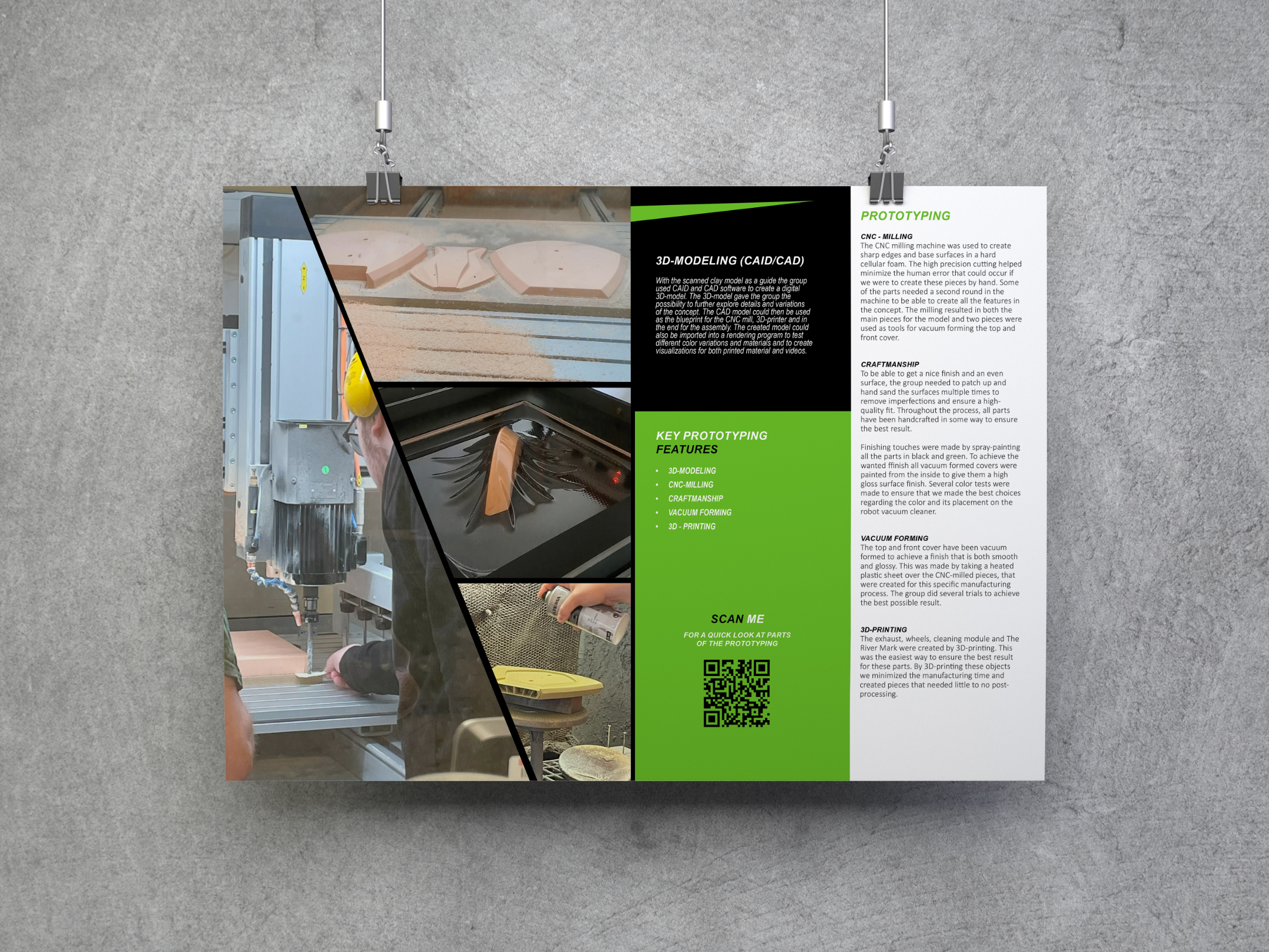
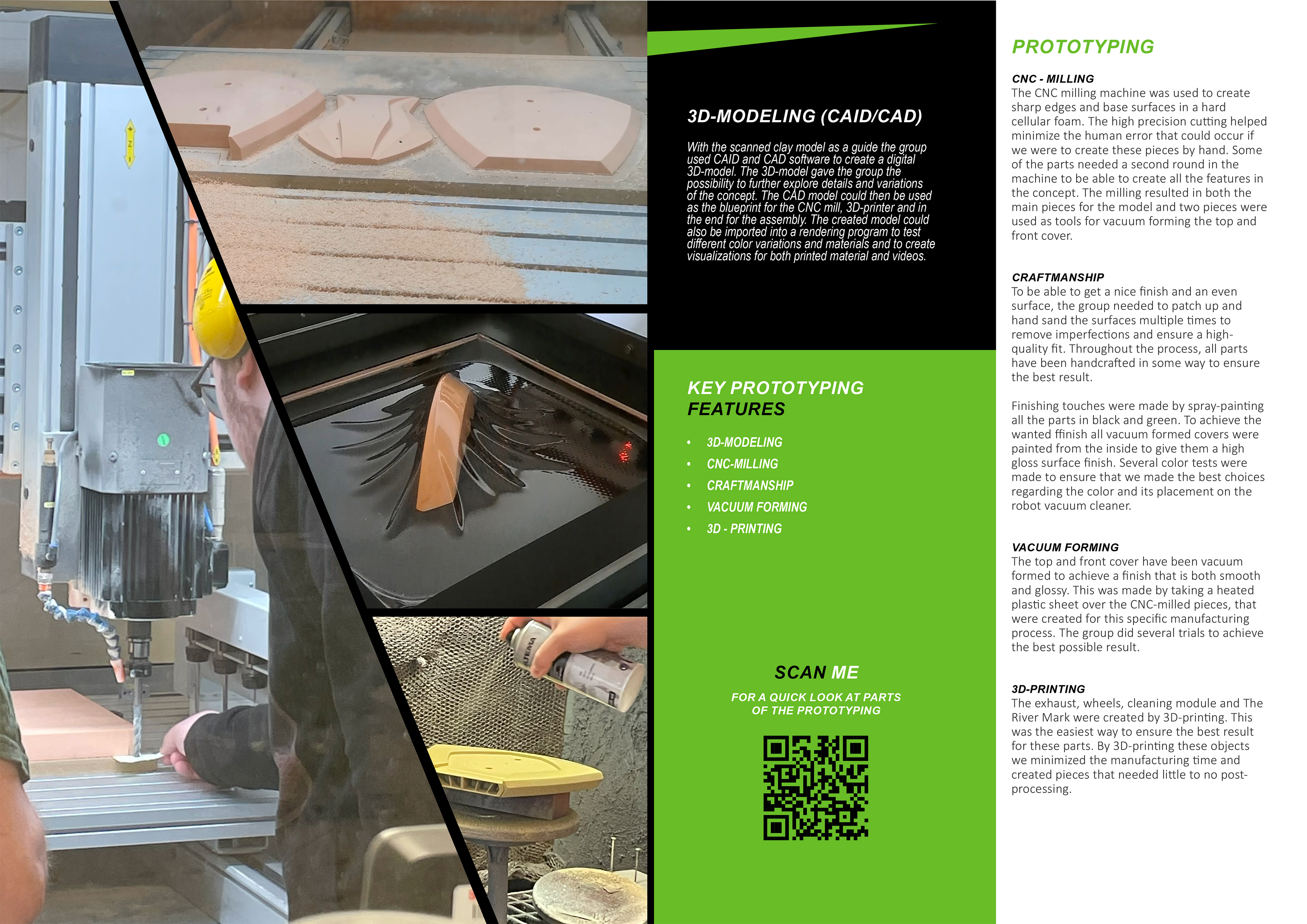
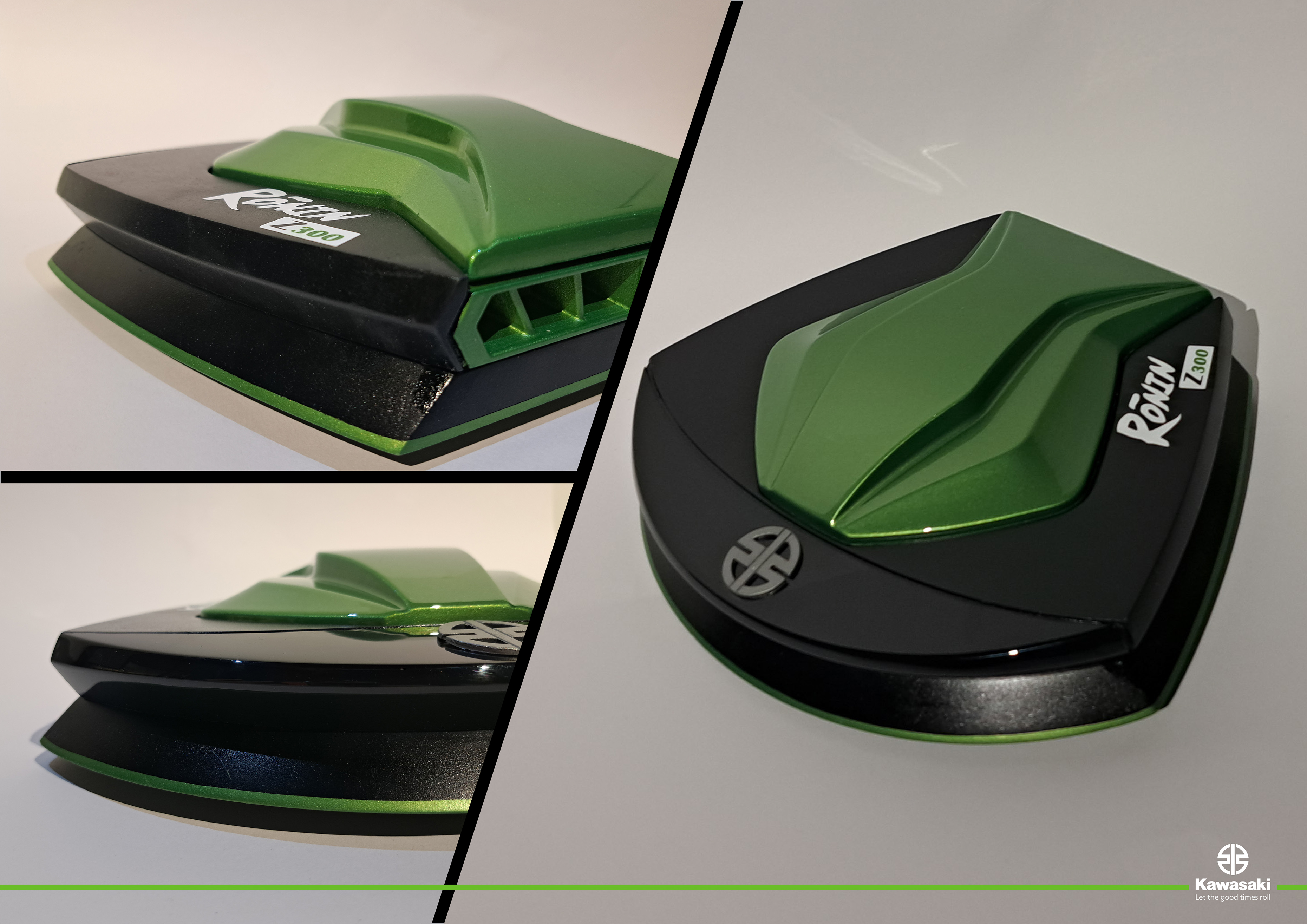
During the prototyping phase, a combination of techniques was utilized to bring the concept to life. CNC milling was employed to achieve precise cuts in a hard cellular foam, ensuring sharp edges and base surfaces. Craftsmanship played a crucial role, as surfaces were meticulously patched, hand-sanded, and spray-painted for a flawless finish. Vacuum forming was utilized to create smooth and glossy top and front covers, with heated plastic sheets molded over CNC-milled pieces. Additionally, 3D printing was employed to quickly produce key components, reducing manufacturing time and minimizing post-processing requirements.
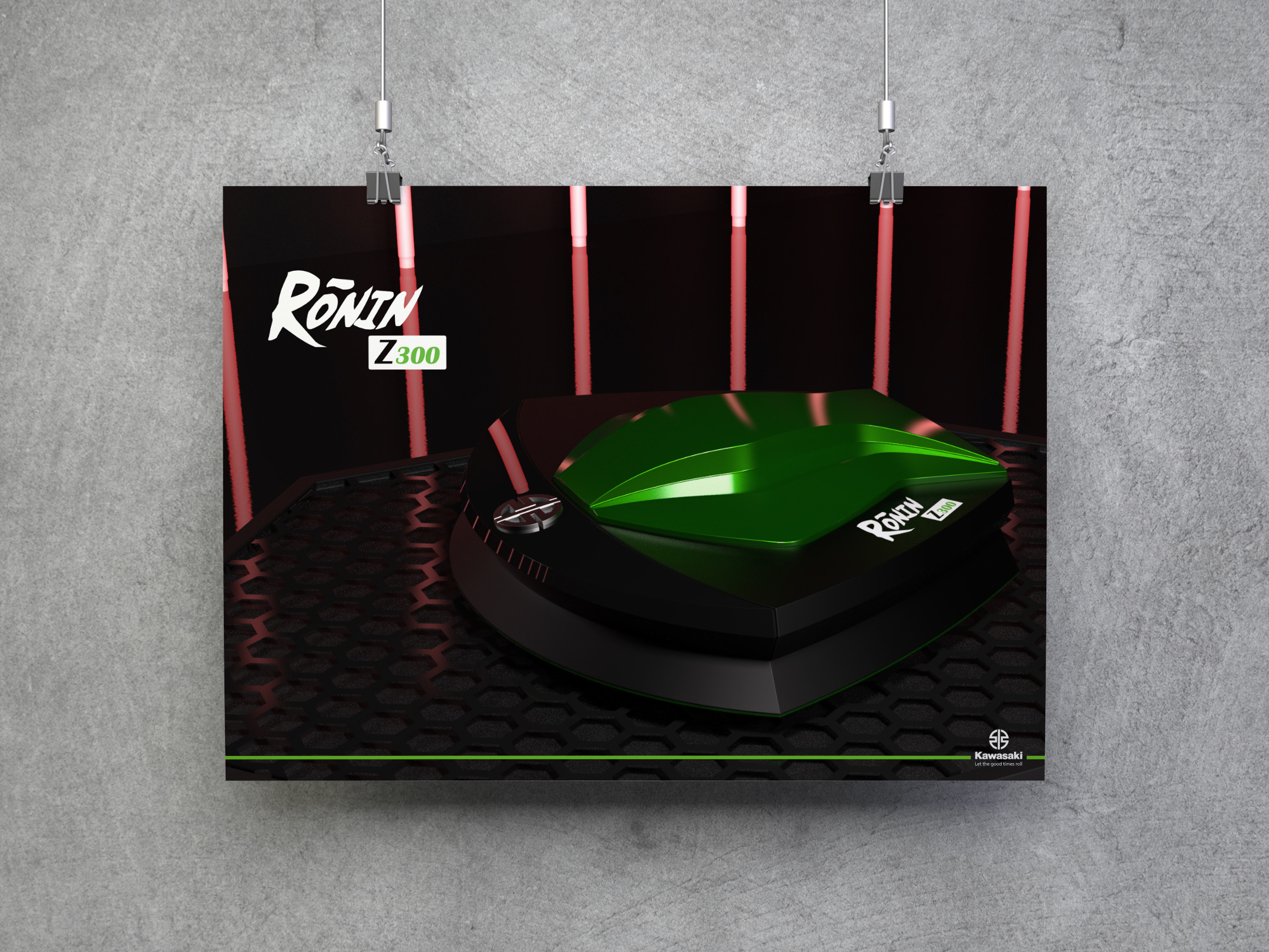
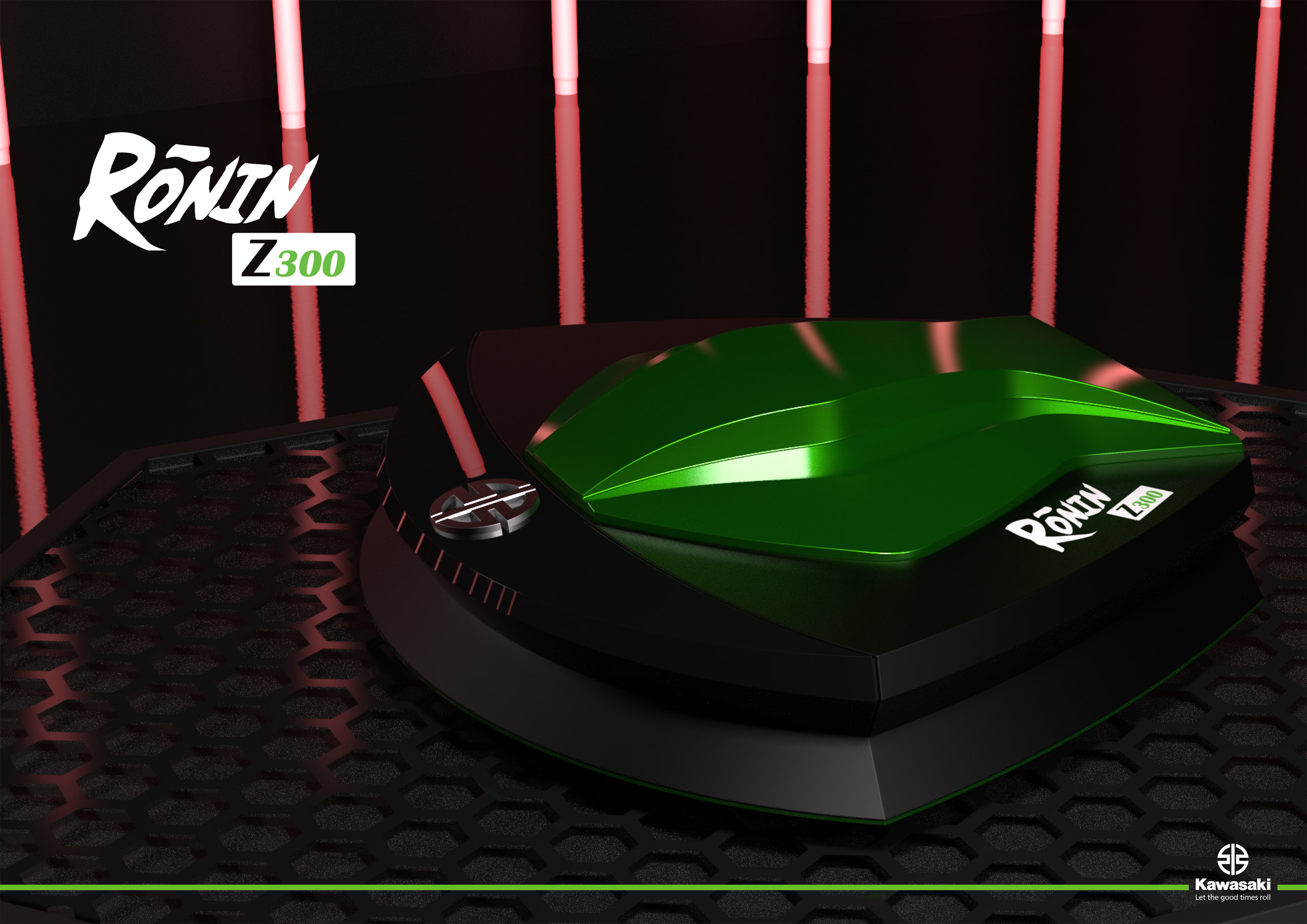
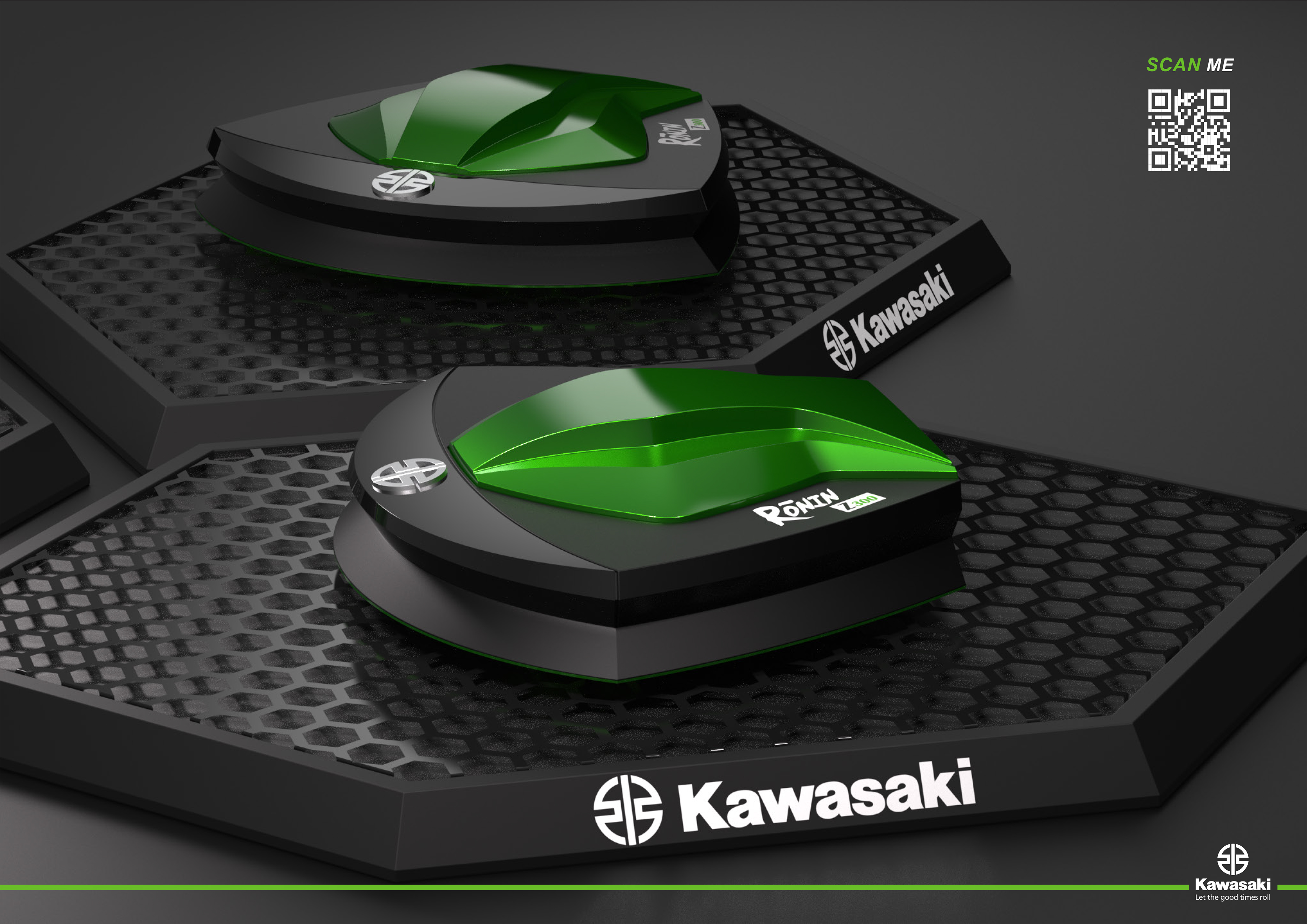
This robotic vacuum cleaner represents the perfect blend of elegance, power, performance, durability, innovation, and comfort. It goes beyond mere functionality, embodying the unique personality and style of Kawasaki. Through weeks of dedicated development, every intricate detail, precise line, and carefully selected component have been meticulously crafted to exceed expectations and provide an unmatched cleaning experience.